
Ready Reckoner Rates, also known as circle rates or guideline values, are the minimum rates set by the government for the valuation of land and properties in a particular area. These rates are used to calculate the stamp duty and registration charges for property transactions. The government revises these rates annually to keep up with the changing market conditions and to ensure fair valuation of properties. Ready Reckoner Rates are an essential tool for the real estate industry as they provide a benchmark for property transactions and help in preventing underreporting of property values to evade taxes.
Ready Reckoner Rates are determined based on various factors such as the location of the property, the type of property, the amenities and infrastructure available in the area, and the demand-supply dynamics of the real estate market. These rates vary from one locality to another and are influenced by the overall economic conditions and market trends. It is important to note that Ready Reckoner Rates are not the actual market prices of properties, but rather a reference point for the valuation of properties for taxation purposes.
Key Takeaways
- Ready Reckoner Rates are the minimum property rates set by the government for different areas, used for calculating stamp duty and registration charges.
- Factors affecting Ready Reckoner Rates include location, infrastructure, amenities, and demand-supply dynamics in the real estate market.
- Ready Reckoner Rates are important as they determine the stamp duty and registration charges, impacting the overall cost of property transactions.
- Ready Reckoner Rates are calculated based on factors such as land value, construction cost, and market trends, and are revised annually by the government.
- Ready Reckoner Rates can impact property transactions by affecting the cost of buying, selling, or transferring property, and can also influence rental values and property taxes.
Factors Affecting Ready Reckoner Rates
Several factors influence the determination of Ready Reckoner Rates. The location of the property plays a significant role in setting these rates. Properties located in prime areas with good connectivity, infrastructure, and amenities tend to have higher Ready Reckoner Rates compared to properties in less developed or remote areas. The demand for properties in a particular location also impacts the rates, with high-demand areas commanding higher rates due to the scarcity of available land and properties.
The type and size of the property also affect the Ready Reckoner Rates. Residential properties, commercial properties, and agricultural land have different rates based on their usage and potential for income generation. The size of the property, its layout, and construction quality are also considered when determining the rates. Additionally, the overall economic conditions, market trends, and government policies play a crucial role in setting the Ready Reckoner Rates. Factors such as inflation, interest rates, and changes in regulations can impact property values and, in turn, influence the revision of these rates.
Importance of Ready Reckoner Rates
Ready Reckoner Rates play a crucial role in property transactions and taxation. These rates provide a standardized method for valuing properties, which helps in preventing underreporting of property values for tax evasion purposes. By having a benchmark for property valuation, the government can ensure that the correct stamp duty and registration charges are levied on property transactions, thereby increasing revenue collection and preventing tax evasion.
For buyers and sellers, Ready Reckoner Rates provide transparency and fairness in property transactions. These rates serve as a reference point for negotiating property prices and help in determining the fair market value of a property. Additionally, lenders use Ready Reckoner Rates to assess the value of properties when disbursing loans, ensuring that the loan amount is commensurate with the property’s value.
How Ready Reckoner Rates are Calculated
| Factors | Weightage |
|---|---|
| Land area | 30% |
| Location | 25% |
| Infrastructure | 20% |
| Connectivity | 15% |
| Market demand | 10% |
The calculation of Ready Reckoner Rates involves a comprehensive analysis of various factors related to the property and its location. Government authorities responsible for setting these rates consider factors such as land use, location, infrastructure, amenities, demand-supply dynamics, and market trends. The rates are revised annually based on these factors to ensure that they reflect the current market conditions and property values.
To calculate Ready Reckoner Rates, government authorities may use data from property transactions, market surveys, and inputs from real estate experts. Advanced valuation methods such as comparative market analysis and income approach may also be employed to determine the rates accurately. The goal is to establish rates that are reflective of the prevailing property values while also considering the broader economic and market factors that influence property prices.
Impact of Ready Reckoner Rates on Property Transactions
Ready Reckoner Rates have a significant impact on property transactions, particularly in terms of stamp duty and registration charges. These rates serve as the basis for calculating the stamp duty payable on property transactions, which is a substantial cost for buyers. Higher Ready Reckoner Rates result in increased stamp duty and registration charges, making property transactions more expensive for buyers.
For sellers, Ready Reckoner Rates influence the capital gains tax liability on property sales. The gains from the sale of a property are calculated based on the difference between the selling price and the Ready Reckoner Rate or the actual purchase price, whichever is higher. Therefore, higher Ready Reckoner Rates can lead to higher tax liabilities for sellers.
Understanding the Changes in Ready Reckoner Rates
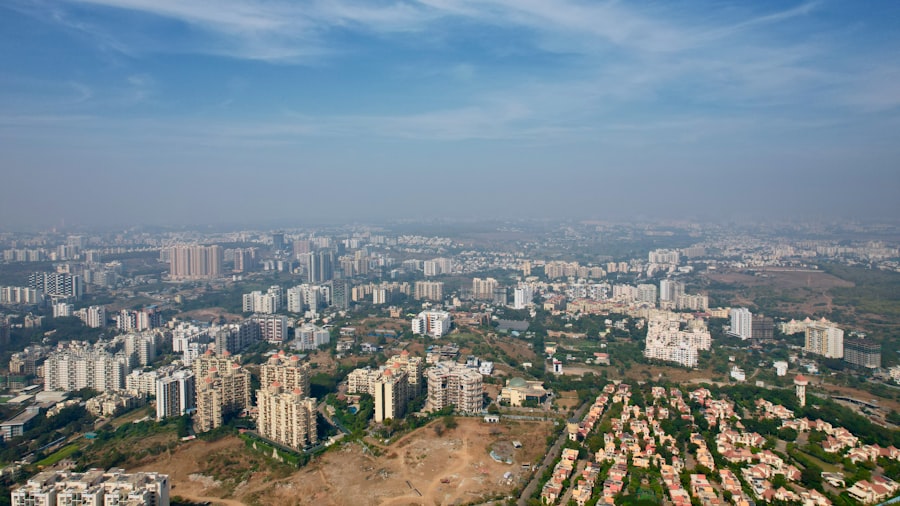
The revision of Ready Reckoner Rates is an annual process undertaken by government authorities to ensure that these rates reflect the current market conditions and property values. Changes in these rates can be influenced by various factors such as inflation, economic growth, demand-supply dynamics, infrastructure development, and government policies related to real estate.
Property owners, buyers, and sellers need to stay informed about changes in Ready Reckoner Rates as they directly impact property transactions and taxation. An increase in these rates can make property transactions more expensive for buyers and sellers alike, while a decrease may present opportunities for cost savings. Understanding the changes in Ready Reckoner Rates is essential for making informed decisions regarding property transactions and tax planning.
Strategies for Dealing with Ready Reckoner Rates in Pune
In Pune, where real estate is a booming industry, it is essential for property owners, buyers, and sellers to have strategies for dealing with Ready Reckoner Rates. For buyers, it is crucial to factor in the impact of these rates on stamp duty and registration charges when budgeting for a property purchase. Understanding the prevailing Ready Reckoner Rates in different localities can help buyers identify areas where they can potentially save on transaction costs.
Sellers should stay updated on changes in Ready Reckoner Rates to assess their potential tax liabilities on property sales accurately. It is also important for sellers to consider these rates when pricing their properties for sale to ensure that they are competitive in the market while also accounting for potential tax implications.
For both buyers and sellers, consulting with real estate experts and tax advisors can provide valuable insights into navigating the impact of Ready Reckoner Rates on property transactions. These professionals can offer guidance on negotiating property prices, understanding tax implications, and making informed decisions based on changes in these rates.
In conclusion, Ready Reckoner Rates are an integral part of property transactions and taxation in Pune. Understanding these rates, their calculation methods, and their impact on property transactions is essential for all stakeholders in the real estate industry. By staying informed about changes in these rates and implementing strategies to deal with them effectively, property owners, buyers, and sellers can navigate the complexities of the real estate market while ensuring fair valuation and compliance with taxation regulations.
If you’re interested in learning more about ready reckoner rates in Pune, you may want to check out the article on Approved Valuers’ website that discusses the pricing plan for property valuation services in Pune. This article provides valuable insights into the factors that influence ready reckoner rates and how they are determined. You can find the article here. It’s a great resource for understanding the intricacies of property valuation and its impact on ready reckoner rates.
FAQs
What is ready reckoner rate in Pune?
The ready reckoner rate in Pune is the minimum rate at which a property can be registered in the city. It is used to calculate the stamp duty and registration charges for property transactions.
How is ready reckoner rate determined in Pune?
The ready reckoner rate in Pune is determined by the state government based on various factors such as location, infrastructure, amenities, and demand for properties in the area.
Why is ready reckoner rate important in Pune?
The ready reckoner rate is important in Pune as it serves as a benchmark for property transactions and helps in preventing under-reporting of property values to evade taxes.
How does ready reckoner rate affect property transactions in Pune?
The ready reckoner rate affects property transactions in Pune as the stamp duty and registration charges are calculated based on this rate. Higher ready reckoner rates result in higher transaction costs for property buyers.
Where can I find the ready reckoner rate for properties in Pune?
The ready reckoner rate for properties in Pune can be found on the official website of the Maharashtra government or at the local sub-registrar office. It is also published in the government gazette.