
An encumbrance certificate is a vital document in property transactions that provides information about the legal status of a property. It is an important document that is required during the purchase or sale of a property, as it helps in verifying the ownership and ensuring that the property is free from any legal or monetary liabilities. The certificate is issued by the sub-registrar’s office and contains details of all transactions related to the property, such as sale, gift, mortgage, or lease. It is an essential document for anyone looking to buy or sell a property, as it helps in ensuring a smooth and hassle-free transaction.
An encumbrance certificate is a crucial document that provides a complete history of the property’s transactions, ensuring that there are no legal disputes or liabilities associated with it. It is an important document for both the buyer and the seller, as it helps in verifying the ownership and ensuring that the property is free from any legal or monetary liabilities. The certificate contains details of all transactions related to the property, such as sale, gift, mortgage, or lease, and is issued by the sub-registrar’s office. It is an essential document for anyone looking to buy or sell a property, as it helps in ensuring a smooth and hassle-free transaction.
Key Takeaways
- An encumbrance certificate is a crucial document in property transactions, as it provides information about any legal or financial liabilities on the property.
- Obtaining an encumbrance certificate is essential for verifying the ownership and legal status of a property before entering into any transaction.
- The process of obtaining an encumbrance certificate involves submitting an application to the Sub-Registrar’s office along with the necessary details and fees.
- An encumbrance certificate contains information about any mortgages, charges, or transactions that may affect the property’s title, providing clarity on its legal status.
- Rao Valuers play a significant role in property valuation and providing encumbrance certificates, ensuring transparency and accuracy in property transactions.
Importance of Encumbrance Certificate in Property Transactions
The encumbrance certificate plays a crucial role in property transactions as it helps in verifying the ownership and ensuring that the property is free from any legal or monetary liabilities. It provides a complete history of the property’s transactions, including details of all transactions related to the property, such as sale, gift, mortgage, or lease. This information is essential for both the buyer and the seller, as it helps in ensuring that there are no legal disputes or liabilities associated with the property. Without an encumbrance certificate, there is a risk of purchasing a property that has legal issues or monetary liabilities attached to it, which can lead to complications and disputes in the future.
The importance of an encumbrance certificate cannot be overstated in property transactions. It is a crucial document that provides peace of mind to both the buyer and the seller by ensuring that the property is free from any legal or monetary liabilities. The certificate contains a complete history of the property’s transactions, including details of all transactions related to the property, such as sale, gift, mortgage, or lease. This information is vital for verifying the ownership and ensuring that there are no legal disputes or liabilities associated with the property. Without an encumbrance certificate, there is a risk of purchasing a property that has legal issues or monetary liabilities attached to it, which can lead to complications and disputes in the future.
How to Obtain an Encumbrance Certificate
Obtaining an encumbrance certificate is a relatively straightforward process that can be done through the sub-registrar’s office where the property is registered. The applicant needs to submit an application along with details of the property, such as its address and survey number, to the sub-registrar’s office. The office will then verify the details and issue the encumbrance certificate, which will contain all the necessary information about the property’s transactions. It is important to note that there may be a nominal fee associated with obtaining the certificate, and the processing time may vary depending on the sub-registrar’s office.
To obtain an encumbrance certificate, one needs to visit the sub-registrar’s office where the property is registered and submit an application along with details of the property, such as its address and survey number. The office will then verify the details and issue the encumbrance certificate, which will contain all the necessary information about the property’s transactions. It is important to note that there may be a nominal fee associated with obtaining the certificate, and the processing time may vary depending on the sub-registrar’s office. Overall, obtaining an encumbrance certificate is a relatively simple process that is essential for anyone involved in property transactions.
Understanding the Information Contained in an Encumbrance Certificate
| Information | Description |
|---|---|
| Property Details | Includes property address, survey number, and area details. |
| Encumbrance Details | Lists all transactions related to the property, such as mortgages, liens, and easements. |
| Owner Details | Provides information about the current and previous owners of the property. |
| Legal Status | Indicates if there are any legal disputes or pending litigations related to the property. |
| Issuing Authority | Specifies the government department responsible for issuing the encumbrance certificate. |
An encumbrance certificate contains vital information about the legal status of a property, including details of all transactions related to the property, such as sale, gift, mortgage, or lease. It provides a complete history of the property’s transactions and helps in verifying the ownership and ensuring that there are no legal disputes or liabilities associated with the property. The certificate also includes details of any pending litigation or court orders related to the property, which can have a significant impact on its legal status. Understanding this information is crucial for anyone involved in property transactions, as it helps in making informed decisions and ensuring a smooth and hassle-free transaction.
It is essential to understand the information contained in an encumbrance certificate, as it provides vital details about the legal status of a property. The certificate contains information about all transactions related to the property, such as sale, gift, mortgage, or lease, and provides a complete history of the property’s transactions. This information helps in verifying the ownership and ensuring that there are no legal disputes or liabilities associated with the property. Additionally, the certificate includes details of any pending litigation or court orders related to the property, which can have a significant impact on its legal status. Understanding this information is crucial for anyone involved in property transactions, as it helps in making informed decisions and ensuring a smooth and hassle-free transaction.
Role of Rao Valuers in Property Valuation and Encumbrance Certificate
Rao Valuers play a crucial role in property valuation and obtaining an encumbrance certificate. They are experts in assessing the value of a property based on various factors such as location, size, condition, and market trends. Their expertise helps in determining the fair market value of a property, which is essential for both buyers and sellers in making informed decisions. Additionally, Rao Valuers also assist in obtaining an encumbrance certificate by providing accurate information about the property’s transactions and legal status. Their role is vital in ensuring that all necessary documentation is in place for a smooth and hassle-free property transaction.
Rao Valuers play a significant role in property valuation and obtaining an encumbrance certificate by providing expert assessment of a property’s value and assisting in obtaining accurate information about its legal status. They are experts in assessing the value of a property based on various factors such as location, size, condition, and market trends. Their expertise helps in determining the fair market value of a property, which is essential for both buyers and sellers in making informed decisions. Additionally, Rao Valuers also assist in obtaining an encumbrance certificate by providing accurate information about the property’s transactions and legal status. Their role is vital in ensuring that all necessary documentation is in place for a smooth and hassle-free property transaction.
Common Misconceptions about Encumbrance Certificate
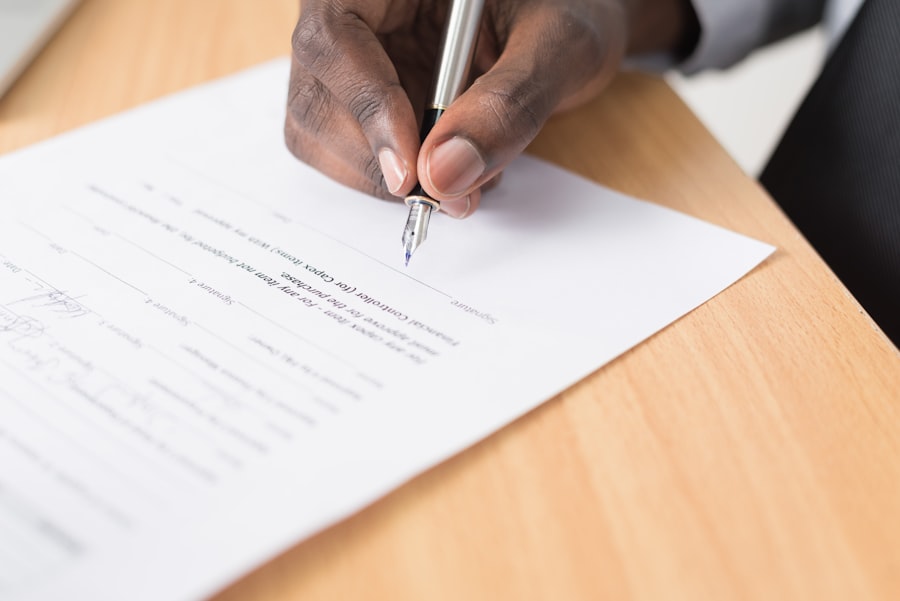
There are several common misconceptions about encumbrance certificates that can lead to confusion among individuals involved in property transactions. One common misconception is that obtaining an encumbrance certificate is not necessary when purchasing a new property from a reputed builder. However, it is important to note that even properties from reputed builders can have legal issues or monetary liabilities attached to them, making it essential to obtain an encumbrance certificate for verification. Another misconception is that an encumbrance certificate only provides information about mortgages on a property, whereas it actually contains details of all transactions related to the property, including sale, gift, mortgage, or lease.
It is important to address common misconceptions about encumbrance certificates to ensure that individuals involved in property transactions have accurate information. One common misconception is that obtaining an encumbrance certificate is not necessary when purchasing a new property from a reputed builder. However, it is important to note that even properties from reputed builders can have legal issues or monetary liabilities attached to them, making it essential to obtain an encumbrance certificate for verification. Another misconception is that an encumbrance certificate only provides information about mortgages on a property, whereas it actually contains details of all transactions related to the property, including sale, gift, mortgage, or lease. Addressing these misconceptions is crucial for ensuring that individuals have accurate information when dealing with property transactions.
Ensuring a Smooth Property Transaction with an Encumbrance Certificate
In conclusion, an encumbrance certificate plays a vital role in ensuring a smooth and hassle-free property transaction by providing accurate information about the legal status of a property. It contains details of all transactions related to the property, including sale, gift, mortgage, or lease, and helps in verifying the ownership and ensuring that there are no legal disputes or liabilities associated with the property. Obtaining an encumbrance certificate is a relatively simple process that can be done through the sub-registrar’s office where the property is registered. Additionally, Rao Valuers play a crucial role in assisting with property valuation and obtaining accurate information about a property’s legal status. Addressing common misconceptions about encumbrance certificates is essential for ensuring that individuals have accurate information when dealing with property transactions. Overall, an encumbrance certificate is an essential document for anyone involved in property transactions and plays a crucial role in ensuring transparency and peace of mind for both buyers and sellers.
If you are looking to understand the importance of encumbrance certificate meaning, you may also be interested in learning about accurate calculation techniques for house valuation. This article provides valuable insights into mastering the art of house valuation and the techniques involved in accurately calculating the value of a property. Understanding these techniques can also help in assessing the encumbrance of a property and its impact on its overall value.
FAQs
What is an encumbrance certificate?
An encumbrance certificate is a legal document that provides information about any financial or legal liabilities on a property. It is issued by the sub-registrar’s office and is used to verify that the property is free from any monetary or legal obligations.
What information does an encumbrance certificate contain?
An encumbrance certificate contains details of all transactions related to a property, such as mortgages, liens, leases, and any other encumbrances. It also includes the names of the property owners and the details of the property.
Why is an encumbrance certificate important?
An encumbrance certificate is important because it helps potential buyers or lenders verify the ownership and legal status of a property. It ensures that the property is free from any legal or financial liabilities, giving confidence to the parties involved in the transaction.
How can I obtain an encumbrance certificate?
An encumbrance certificate can be obtained from the sub-registrar’s office where the property is registered. The applicant needs to submit an application along with the necessary documents and fees to obtain the certificate.
Is an encumbrance certificate the same as a property title?
No, an encumbrance certificate and a property title are different documents. While an encumbrance certificate provides information about any financial or legal liabilities on a property, a property title is a legal document that establishes the ownership of the property.