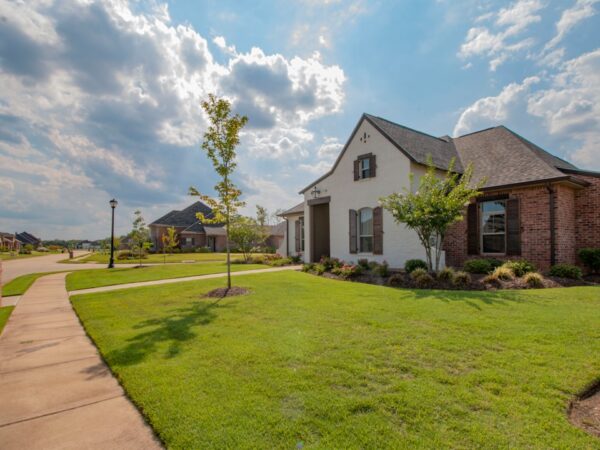
Land value refers to the monetary worth of a piece of land, which is determined by various factors such as location, size, accessibility, and potential for development. Understanding land value is crucial for real estate investors, developers, and local governments as it plays a significant role in decision-making processes related to buying, selling, and developing land. The value of land is influenced by both tangible and intangible factors, making it a complex concept to grasp. It is important to consider not only the current value of the land but also its potential for appreciation in the future. Additionally, understanding the factors that affect land value is essential for making informed decisions about land investment and development.
Land value can be influenced by a variety of factors, including location, infrastructure, zoning regulations, and market demand. The location of a piece of land is one of the most significant factors affecting its value. Land located in prime areas such as city centers or near major transportation hubs tends to have higher value due to its accessibility and proximity to amenities. Infrastructure such as roads, utilities, and public services also play a crucial role in determining land value. Well-developed infrastructure can increase the desirability of a piece of land and consequently raise its value. Zoning regulations and land use restrictions can also impact land value by dictating what can be built on a piece of land and how it can be used. Finally, market demand for certain types of land, such as residential, commercial, or industrial, can significantly affect its value. Understanding these factors is essential for accurately assessing the value of a piece of land and making informed decisions about its potential for development and investment.
Key Takeaways
- Land value is determined by its location, size, shape, and potential uses.
- Factors affecting land value include proximity to amenities, infrastructure, economic trends, and environmental considerations.
- Strategies for increasing land value include improving infrastructure, rezoning, and enhancing the property’s aesthetics.
- Utilizing land value for development involves conducting feasibility studies, securing financing, and obtaining necessary permits.
- Maximizing land value through zoning and planning involves understanding local regulations, engaging with the community, and creating a long-term vision for the property.
- Investing in land value requires thorough research, understanding market trends, and assessing potential risks and returns.
- The future of land value will be influenced by urbanization, technological advancements, and sustainable development practices.
Factors Affecting Land Value
Several factors can affect the value of land, including location, size, accessibility, and potential for development. Location is one of the most critical factors influencing land value. Land located in prime areas such as city centers or near major transportation hubs tends to have higher value due to its proximity to amenities and accessibility. The size of the land also plays a significant role in determining its value. Larger parcels of land may have higher value due to their potential for development or subdivision. Accessibility is another important factor affecting land value. Land that is easily accessible via roads, public transportation, or other means tends to have higher value than land that is difficult to reach. Additionally, the potential for development can significantly impact the value of land. Land with the potential for residential, commercial, or industrial development may have higher value than undeveloped or underutilized land.
Infrastructure and amenities in the surrounding area can also affect land value. Well-developed infrastructure such as roads, utilities, and public services can increase the desirability of a piece of land and consequently raise its value. Amenities such as parks, schools, shopping centers, and entertainment facilities can also impact land value by making the area more attractive to potential buyers or developers. Zoning regulations and land use restrictions can further influence land value by dictating what can be built on a piece of land and how it can be used. Market demand for certain types of land, such as residential, commercial, or industrial, can also significantly affect its value. Understanding these factors is essential for accurately assessing the value of a piece of land and making informed decisions about its potential for development and investment.
Strategies for Increasing Land Value
There are several strategies that can be employed to increase the value of land. One strategy is to improve the infrastructure and amenities in the surrounding area. This can be done by investing in roads, utilities, public services, parks, schools, and other facilities that can make the area more attractive to potential buyers or developers. Another strategy is to obtain zoning changes or variances that allow for more intensive or diverse land use. This can increase the potential for development and consequently raise the value of the land. Subdividing larger parcels of land into smaller lots can also increase its value by creating more opportunities for development or sale.
Developing the land with residential, commercial, or industrial properties can significantly increase its value. This can be done by constructing new buildings or improving existing ones to make them more attractive and functional. Another strategy for increasing land value is to engage in strategic marketing and promotion efforts to attract potential buyers or developers. This can include showcasing the unique features and potential uses of the land through advertising, networking, and other promotional activities. Finally, investing in landscaping and environmental improvements can enhance the aesthetic appeal and environmental quality of the land, making it more desirable and valuable. Employing these strategies can help maximize the potential of a piece of land and increase its overall value.
Utilizing Land Value for Development
| Metrics | Data |
|---|---|
| Land Area | 1000 square meters |
| Land Value | 500,000 |
| Development Cost | 300,000 |
| Utilization Rate | 80% |
Utilizing land value for development involves leveraging the monetary worth of a piece of land to create new residential, commercial, or industrial properties that can generate income or provide valuable assets to the community. This process typically involves conducting feasibility studies, securing financing, obtaining necessary permits and approvals, and overseeing construction and marketing efforts. Utilizing land value for development requires careful planning and execution to ensure that the project is financially viable and meets the needs of the market.
Feasibility studies are essential for assessing the potential for development on a piece of land and determining the best use for the property. These studies typically involve analyzing market demand, conducting site evaluations, estimating construction costs, and projecting potential returns on investment. Securing financing is another crucial step in utilizing land value for development. This may involve obtaining loans from financial institutions, partnering with investors or developers, or seeking government incentives or grants. Obtaining necessary permits and approvals from local authorities is also essential for moving forward with a development project. This may involve obtaining zoning changes or variances, environmental assessments, building permits, and other regulatory requirements.
Once financing and permits are secured, overseeing construction and marketing efforts is necessary to bring the development project to fruition. This may involve hiring architects, engineers, contractors, and other professionals to design and build the new properties. Marketing efforts may include advertising, sales promotions, and other activities to attract buyers or tenants to the new properties. Utilizing land value for development requires careful planning and execution to ensure that the project is successful and contributes positively to the community.
Maximizing Land Value through Zoning and Planning
Maximizing land value through zoning and planning involves strategically regulating land use and development to optimize its economic potential while preserving environmental quality and community well-being. Zoning regulations dictate what types of buildings can be constructed on a piece of land and how they can be used. Planning efforts involve creating comprehensive plans for future development that consider factors such as transportation, infrastructure, housing, economic development, and environmental conservation.
Zoning regulations can be used to maximize land value by allowing for more intensive or diverse land use that meets market demand while maintaining compatibility with surrounding uses. This may involve rezoning parcels of land to allow for higher density residential or commercial development, mixed-use projects that combine residential and commercial uses, or other innovative approaches that maximize economic potential. Zoning regulations can also be used to protect valuable natural resources such as wetlands, forests, or scenic areas that contribute to the overall desirability of a community.
Comprehensive planning efforts can further maximize land value by creating a vision for future development that considers long-term economic growth, environmental sustainability, and community livability. This may involve identifying areas for future growth and redevelopment, establishing transportation corridors and infrastructure improvements that support economic development, promoting affordable housing opportunities, and preserving open space and natural resources. Maximizing land value through zoning and planning requires collaboration between local governments, developers, community stakeholders, and other interested parties to create a shared vision for sustainable growth and development.
Investing in Land Value

Investing in land value involves acquiring parcels of land with the intention of holding them for future appreciation or developing them for profit. Land investment can be an attractive option for investors seeking long-term growth potential and diversification within their portfolios. Investing in land value requires careful consideration of factors such as location, market demand, zoning regulations, infrastructure improvements, and potential for appreciation.
Acquiring parcels of land in prime locations with high demand for residential, commercial, or industrial development can provide opportunities for future appreciation as property values increase over time. Investing in areas with planned infrastructure improvements such as new roads, utilities, or public services can also enhance the potential for appreciation by making the area more attractive to buyers or developers.
Developing parcels of land for profit involves identifying opportunities for residential subdivisions, commercial developments, industrial parks, or other uses that meet market demand while maximizing economic potential. This may involve conducting feasibility studies to assess market demand and construction costs, securing financing for development projects, obtaining necessary permits and approvals from local authorities, overseeing construction efforts, and marketing properties to attract buyers or tenants.
Investing in land value requires careful due diligence to assess potential risks and rewards associated with acquiring or developing parcels of land. This may involve working with real estate professionals such as brokers, appraisers, attorneys, engineers, architects, contractors, and other experts who can provide valuable insights into market conditions, regulatory requirements, construction costs, financing options, and other considerations.
The Future of Land Value
The future of land value is influenced by a variety of factors including demographic trends, technological advancements, economic conditions, environmental concerns, regulatory changes, market demand shifts, and other influences that shape the real estate market. Demographic trends such as population growth, urbanization, aging populations, immigration patterns, household formation rates, income levels, and other factors can impact demand for residential housing, commercial properties, industrial facilities, recreational amenities, and other uses that contribute to overall land value.
Technological advancements such as smart city initiatives, digital connectivity improvements, energy efficiency innovations, transportation enhancements, environmental sustainability measures, building automation systems, virtual reality applications in real estate marketing and design processes are also shaping the future of land value by influencing how properties are developed designed marketed managed maintained used valued.
Economic conditions such as interest rates inflation rates employment levels consumer confidence business investment levels GDP growth rates housing affordability measures tax policies government spending levels trade policies currency exchange rates stock market performance bond market performance commodity prices real estate market performance are also important factors that influence future trends in land value.
Environmental concerns such as climate change impacts natural disaster risks air quality water quality soil contamination wildlife habitat preservation energy conservation measures green building practices sustainable design principles are also shaping future trends in land value by influencing how properties are developed managed maintained used valued.
Regulatory changes such as zoning updates building code revisions environmental protection measures tax incentives financial assistance programs public-private partnership initiatives infrastructure funding allocations affordable housing mandates fair housing policies fair lending practices property rights protections eminent domain restrictions historic preservation requirements are also important factors that influence future trends in land value.
Market demand shifts such as changing preferences among consumers investors developers tenants businesses government agencies nonprofit organizations other stakeholders are also shaping future trends in land value by influencing what types of properties are in demand where they are located how they are designed built marketed managed maintained used valued.
The future of land value will continue to be shaped by these factors as well as other influences that emerge over time creating opportunities challenges uncertainties risks rewards for investors developers local governments community stakeholders real estate professionals other participants in the real estate market who seek to understand anticipate respond adapt capitalize on future trends in land value.
The future of land value will continue to be shaped by these factors as well as other influences that emerge over time, creating opportunities, challenges, uncertainties, risks, and rewards for investors, developers, local governments, community stakeholders, real estate professionals, and other participants in the real estate market who seek to understand, anticipate, respond, adapt, and capitalize on future trends in land value. As technology advances, environmental concerns grow, and demographic shifts occur, the dynamics of land value will evolve, presenting both new opportunities and potential obstacles for those involved in the real estate industry. It will be essential for stakeholders to stay informed and adaptable in order to navigate the changing landscape of land value in the future.
If you’re interested in learning more about land value and how it can impact revenue and taxation, you should check out the article on maximizing revenue through land tax valuation strategies. This article provides valuable insights into how land value assessments can affect tax revenue and offers strategies for maximizing the potential revenue from land taxes. It’s a must-read for anyone interested in understanding the complexities of land valuation and taxation.
FAQs
What is land value?
Land value refers to the monetary worth of a piece of land, based on factors such as location, size, zoning regulations, and potential for development.
How is land value determined?
Land value is determined by a combination of factors including location, accessibility, proximity to amenities, zoning regulations, and market demand. It can also be influenced by the potential for development and the overall economic conditions.
Why is land value important?
Land value is important because it affects property taxes, real estate investment decisions, and overall economic development. It also plays a crucial role in urban planning and land use policies.
How does land value impact property taxes?
Land value directly impacts property taxes, as it is one of the key factors used to assess the value of a property for tax purposes. Higher land values typically result in higher property taxes.
What are some factors that can increase land value?
Factors that can increase land value include proximity to urban centers, good infrastructure, access to transportation, desirable amenities, and potential for development.
Can land value fluctuate over time?
Yes, land value can fluctuate over time due to changes in market demand, economic conditions, zoning regulations, and infrastructure development. It can also be influenced by factors such as population growth and changes in land use policies.