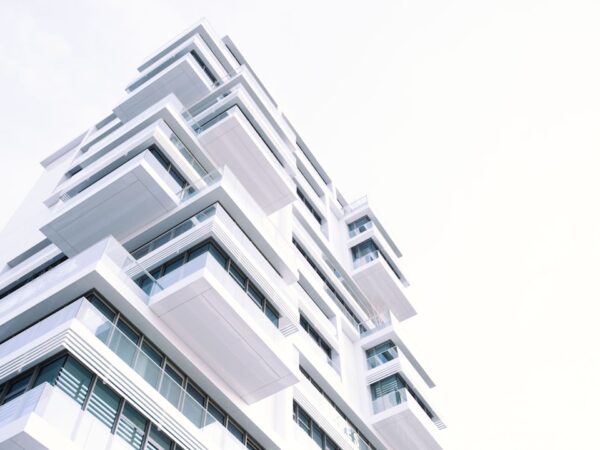
When it comes to understanding the potential of your property, it’s important to take a step back and look at it from an objective standpoint. Consider the size, location, and unique features of your property. Is it a spacious family home with a large backyard, or a cozy urban apartment with a stunning view? Understanding the potential of your property means recognizing its strengths and weaknesses. This could involve conducting a thorough assessment of the property’s condition, identifying any areas that may need improvement, and determining how to best showcase its unique features. By understanding the potential of your property, you can make informed decisions about how to enhance its value and appeal.
Furthermore, understanding the potential of your property also involves considering its market value and the potential return on investment. Researching comparable properties in the area can provide valuable insights into the current market trends and help you determine the potential value of your property. Additionally, understanding the potential of your property means being aware of any zoning restrictions, building codes, or other regulations that may impact its development or renovation. By taking the time to thoroughly understand the potential of your property, you can make strategic decisions that will maximize its value and appeal in the real estate market.
Key Takeaways
- Understand the potential of your property by assessing its unique features and market demand
- Enhance curb appeal and first impressions through landscaping, exterior maintenance, and welcoming entryways
- Maximize interior space and functionality by decluttering, organizing, and utilizing multifunctional furniture
- Utilize outdoor spaces for added value by creating inviting outdoor living areas and highlighting natural features
- Invest in upgrades and renovations to modernize and improve the property’s appeal and functionality
- Leverage location and amenities by highlighting nearby attractions, conveniences, and community features
- Implement effective marketing and presentation strategies to attract potential buyers or renters, such as professional photography, staging, and online listings
Enhancing Curb Appeal and First Impressions
Enhancing curb appeal and first impressions is crucial when it comes to making your property stand out in the real estate market. The exterior of your property is the first thing that potential buyers or renters will see, so it’s important to make a positive impression. This could involve simple tasks such as maintaining a well-manicured lawn, adding some colorful flowers or plants, and ensuring that the exterior of the property is clean and well-maintained. Additionally, enhancing curb appeal may also involve making small upgrades such as repainting the front door, updating the mailbox, or adding outdoor lighting to create a welcoming atmosphere.
Furthermore, first impressions are not just limited to the exterior of the property. The entryway and foyer are also important areas to focus on when it comes to making a positive first impression. Consider adding some stylish decor, such as a statement mirror or artwork, to create a welcoming and inviting atmosphere. Additionally, ensuring that the interior of the property is clean, clutter-free, and well-maintained will also contribute to a positive first impression. By enhancing curb appeal and first impressions, you can capture the attention of potential buyers or renters and make them eager to see more of what your property has to offer.
Maximizing Interior Space and Functionality
Maximizing interior space and functionality is essential for making your property more appealing to potential buyers or renters. This could involve simple strategies such as decluttering and organizing the space to make it feel more open and spacious. Consider removing any unnecessary furniture or decor to create a more streamlined and functional layout. Additionally, maximizing interior space may also involve making strategic upgrades such as installing built-in storage solutions, adding shelving or cabinetry, or utilizing multi-functional furniture to make the most of every inch of space.
Furthermore, maximizing functionality means ensuring that the layout and design of the property are conducive to modern living. This could involve updating outdated features, such as kitchen appliances or bathroom fixtures, to improve functionality and convenience. Additionally, consider making small adjustments to improve traffic flow and usability, such as rearranging furniture or adding additional lighting to dark areas. By maximizing interior space and functionality, you can create a more attractive and practical living environment that will appeal to a wider range of potential buyers or renters.
Utilizing Outdoor Spaces for Added Value
| Outdoor Space Feature | Added Value |
|---|---|
| Landscaping | Increases property appeal |
| Outdoor Kitchen | Enhances entertainment options |
| Fire Pit | Creates cozy atmosphere |
| Deck or Patio | Expands living space |
| Garden | Provides fresh produce and flowers |
Utilizing outdoor spaces for added value is a great way to enhance the appeal and functionality of your property. Whether you have a spacious backyard, a cozy patio, or a rooftop terrace, outdoor spaces can significantly increase the overall value of your property. This could involve creating designated outdoor living areas, such as a dining area or lounge space, to showcase the potential for outdoor entertaining and relaxation. Additionally, consider adding landscaping features such as gardens, trees, or hardscaping elements to create a visually appealing and inviting outdoor environment.
Furthermore, utilizing outdoor spaces for added value may also involve making practical upgrades such as adding a deck or patio, installing outdoor lighting or heating elements, or creating a functional outdoor kitchen or barbecue area. These additions can significantly enhance the usability and appeal of outdoor spaces, making them more attractive to potential buyers or renters. By utilizing outdoor spaces for added value, you can create an alluring outdoor oasis that will set your property apart from the competition.
Investing in Upgrades and Renovations
Investing in upgrades and renovations is a strategic way to increase the value and appeal of your property. This could involve making small cosmetic upgrades such as repainting walls, updating light fixtures, or replacing outdated hardware to give the property a fresh and modern look. Additionally, investing in renovations may also involve making more substantial upgrades such as remodeling the kitchen or bathroom, replacing flooring or countertops, or updating major systems such as plumbing or HVAC.
Furthermore, investing in upgrades and renovations can also include making energy-efficient improvements such as installing new windows or doors, adding insulation, or upgrading appliances to reduce energy consumption and lower utility costs. These types of upgrades not only enhance the appeal of the property but also provide long-term cost savings for the owner and future occupants. By investing in upgrades and renovations, you can significantly increase the overall value and desirability of your property in the real estate market.
Leveraging Location and Amenities
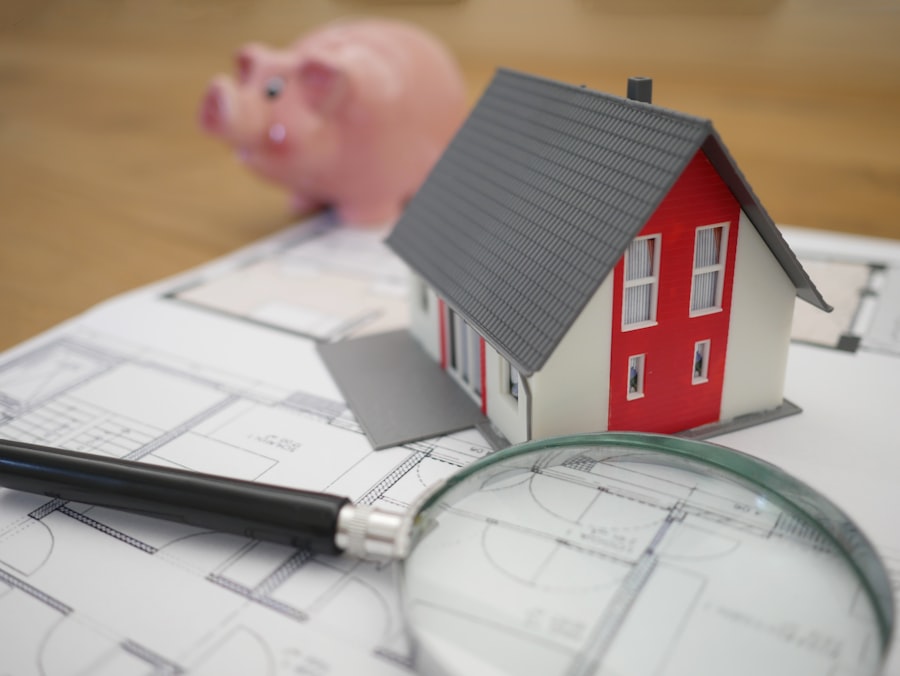
Leveraging location and amenities is an important aspect of marketing your property to potential buyers or renters. The location of your property plays a significant role in its overall appeal and value. Consider highlighting nearby amenities such as parks, schools, shopping centers, restaurants, or public transportation options to showcase the convenience and desirability of the location. Additionally, if your property is located in a desirable neighborhood or community with unique features such as waterfront access or scenic views, be sure to emphasize these selling points in your marketing efforts.
Furthermore, leveraging location and amenities may also involve promoting any on-site amenities that are available to residents, such as a pool, fitness center, community garden, or concierge services. These amenities can significantly enhance the overall appeal and value of the property by providing additional convenience and lifestyle benefits for residents. By leveraging location and amenities, you can effectively communicate the unique advantages of your property and attract potential buyers or renters who are seeking a desirable location with desirable features.
Marketing and Presentation Strategies for Selling or Renting
Marketing and presentation strategies are essential for effectively showcasing your property to potential buyers or renters. This could involve creating high-quality marketing materials such as professional photography, virtual tours, or video walkthroughs to highlight the best features of the property. Additionally, consider staging the property with stylish furniture and decor to create an inviting atmosphere that will resonate with potential buyers or renters. By presenting the property in its best light, you can capture the attention of potential buyers or renters and make a lasting impression.
Furthermore, marketing strategies may also involve utilizing online platforms such as real estate websites, social media channels, and targeted advertising to reach a wider audience of potential buyers or renters. By leveraging digital marketing tools and strategies, you can effectively promote your property and generate interest from qualified leads. Additionally, consider hosting open houses or private showings to give potential buyers or renters an opportunity to experience the property firsthand and ask any questions they may have. By implementing effective marketing and presentation strategies, you can maximize exposure for your property and increase its chances of selling or renting at a favorable price.
In conclusion, understanding the potential of your property involves recognizing its unique features and market value. Enhancing curb appeal and first impressions is crucial for capturing the attention of potential buyers or renters. Maximizing interior space and functionality creates a more attractive living environment. Utilizing outdoor spaces for added value enhances the overall appeal of the property. Investing in upgrades and renovations increases its value in the real estate market. Leveraging location and amenities highlights its unique advantages. Marketing and presentation strategies are essential for effectively showcasing it to potential buyers or renters. By implementing these strategies effectively, you can maximize the value and appeal of your property in the real estate market.
Looking to understand the value of your property? Check out our related article on “The Importance of Property Valuation” at Approved Valuers. Our expert insights will help you navigate the complexities of property valuation and make informed decisions. Whether you’re buying, selling, or refinancing, understanding the true value of your property is crucial. Learn more about the factors that influence property valuation and how it can impact your financial decisions.
FAQs
What is a property valuer?
A property valuer is a professional who assesses the value of a property, taking into account various factors such as location, size, condition, and market trends.
What does a property valuer do?
A property valuer conducts inspections of properties, researches market trends, and analyzes data to determine the value of a property. They provide valuation reports that are used for various purposes such as buying, selling, or refinancing properties.
Why is property valuation important?
Property valuation is important for determining the fair market value of a property, which is essential for making informed decisions about buying, selling, or refinancing properties. It also helps in property tax assessments and insurance purposes.
How is property valuation calculated?
Property valuation is calculated based on various factors such as the location, size, condition, age, and features of the property, as well as market trends and comparable sales in the area.
Who uses property valuation services?
Property valuation services are used by property owners, buyers, sellers, real estate agents, lenders, insurance companies, and government agencies for various purposes such as mortgage lending, property tax assessments, insurance coverage, and investment decisions.