
Understanding your home’s potential requires a comprehensive assessment of various factors. Begin by examining the overall layout and flow of your house, considering its architectural style and distinctive features. Identify areas that may be underutilized or require improvement, such as outdated kitchens or inefficient bathrooms.
Evaluate possibilities for expansion or reconfiguration, including adding rooms or opening up the floor plan. Assess the condition of your home’s structural integrity, electrical and plumbing systems, and general maintenance requirements. Early identification of issues can help prioritize renovations and prevent unexpected expenses.
Consider your home’s market value and how potential renovations might affect its resale value. Making informed renovation decisions relies on understanding your home’s potential. By thoroughly evaluating your home’s layout, condition, and market value, you can pinpoint areas for improvement and prioritize renovations that will have the most significant impact.
This may include updating a kitchen, adding a bathroom, or reconfiguring the floor plan. Ensure that any renovations align with your home’s architectural style and unique features to maintain design harmony. Ultimately, understanding your home’s potential is essential for creating a living space that meets your needs, reflects your personal style, and potentially increases its market value.
Key Takeaways
- Understand the potential of your home by assessing its current condition and identifying areas for improvement.
- Make smart renovation choices by focusing on projects that will add value to your home and improve its functionality.
- Enhance curb appeal by maintaining the exterior of your home, adding landscaping, and updating the front entryway.
- Utilize outdoor spaces by creating functional and inviting areas for entertaining, relaxing, and enjoying the outdoors.
- Maximize storage and organization by implementing creative storage solutions and decluttering your home to create a more organized and spacious environment.
- Add energy-efficient features to your home to reduce energy consumption and lower utility costs.
- Consider professional appraisals to get an accurate understanding of your home’s value and identify areas for improvement.
Making Smart Renovation Choices
Focus on High-Impact Areas
When it comes to renovation, it’s essential to prioritize projects that will have the greatest impact on both your home’s functionality and resale value. Start by focusing on high-traffic areas, such as the kitchen and bathrooms, which are known to significantly influence a home’s appeal. Updating these spaces with modern fixtures, finishes, and appliances can not only improve your daily living experience but also attract potential buyers in the future.
Enhance Flow and Usability
Consider projects that enhance the overall flow and usability of your home, such as opening up a floor plan or adding built-in storage solutions. Furthermore, making smart renovation choices means considering the long-term benefits of each project. While cosmetic upgrades can provide an immediate visual impact, investing in structural improvements, such as replacing windows or upgrading insulation, can lead to significant energy savings and increased comfort over time.
Quality and Planning Matter
It’s also important to consider the quality of materials and workmanship to ensure that renovations are durable and built to last. By making smart renovation choices, you can maximize the value of your investment and create a home that is both functional and aesthetically pleasing. In addition to prioritizing high-impact projects and long-term benefits, making smart renovation choices also involves setting a realistic budget and timeline for each project. By carefully planning and researching costs upfront, you can avoid overspending and minimize the risk of delays or unexpected expenses.
Enhancing Curb Appeal
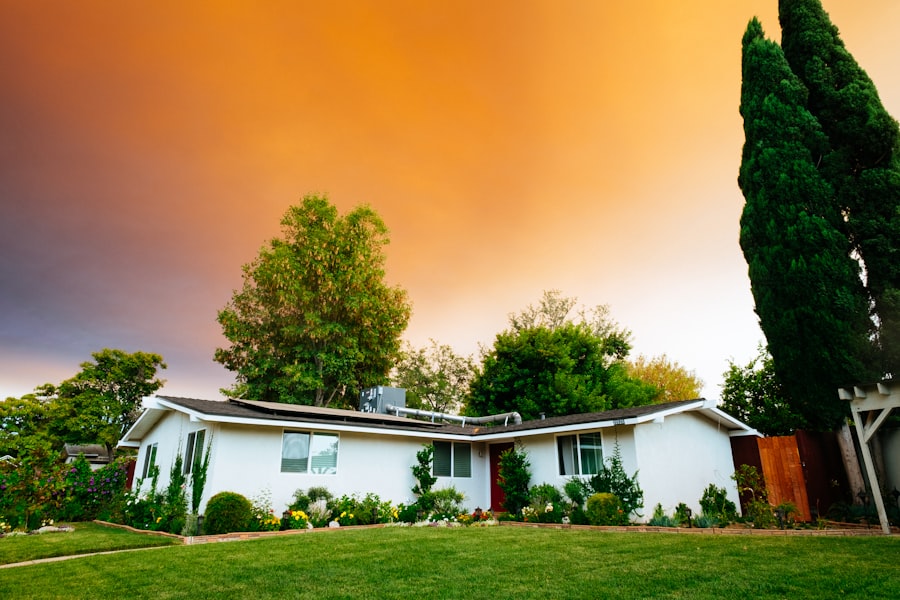
Enhancing curb appeal is an essential aspect of home renovation that can greatly impact the overall look and feel of your property. Start by assessing the exterior of your home, including the condition of the siding, roof, windows, and landscaping. Address any maintenance issues, such as peeling paint or overgrown shrubs, to create a clean and well-maintained appearance.
Consider adding new exterior elements, such as a fresh coat of paint, updated lighting fixtures, or decorative accents, to enhance the visual appeal of your home. Furthermore, enhancing curb appeal means creating an inviting entryway that sets the tone for the rest of your home. This could involve updating the front door with a bold color or modern design, adding potted plants or seasonal flowers, or installing a welcoming porch or entry stoop.
Additionally, consider the overall landscaping of your property, including the lawn, garden beds, and hardscape features. Well-maintained landscaping can greatly enhance curb appeal and create a welcoming first impression for visitors and potential buyers alike. In addition to improving the aesthetics of your home’s exterior, enhancing curb appeal also involves considering practical elements that contribute to its overall functionality and safety.
This could include adding pathways or walkways for easy access, installing outdoor lighting for security and visibility, or creating designated outdoor living spaces for relaxation and entertainment. By enhancing curb appeal, you can create a visually appealing and well-maintained exterior that adds value to your home and makes a positive impression on all who visit.
Utilizing Outdoor Spaces
| Outdoor Space | Utilization |
|---|---|
| Patio | 80% |
| Garden | 60% |
| Backyard | 90% |
Utilizing outdoor spaces is an important aspect of home renovation that can greatly enhance your overall living experience. Start by assessing the layout and potential of your outdoor areas, including the size of your yard, existing landscaping features, and any unique opportunities for expansion or improvement. Consider how you currently use these spaces and how they could be better utilized for relaxation, entertainment, or practical purposes.
Furthermore, utilizing outdoor spaces means creating designated areas for different activities, such as dining, lounging, gardening, or recreation. This could involve adding a patio or deck for outdoor dining and entertaining, creating a cozy seating area with comfortable furniture and shade options, or establishing a garden or play area for children and pets. Additionally, consider adding functional elements such as outdoor kitchens, fire pits, or water features to enhance the usability and enjoyment of your outdoor spaces.
In addition to creating designated areas for specific activities, utilizing outdoor spaces also involves considering practical elements that contribute to their overall comfort and functionality. This could include adding shade structures or pergolas for sun protection, installing outdoor heating or cooling options for year-round use, or incorporating privacy features such as fencing or landscaping. By utilizing outdoor spaces effectively, you can create an extension of your indoor living areas that maximizes your enjoyment of your property and enhances its overall appeal.
Maximizing Storage and Organization
Maximizing storage and organization is an important consideration when renovating your home to improve its functionality and livability. Start by assessing the current storage options in each room and identifying areas where additional storage is needed. This could include adding built-in cabinets or shelving in the kitchen or bathroom, creating custom closet systems in bedrooms or entryways, or incorporating multi-functional furniture with hidden storage compartments.
Furthermore, maximizing storage and organization means considering creative solutions for maximizing space in small or awkward areas. This could involve utilizing vertical storage options such as wall-mounted shelves or hanging organizers, incorporating underutilized spaces such as under stairs or within alcoves for built-in storage solutions, or creating custom storage solutions that are tailored to specific needs and preferences. In addition to maximizing storage space, it’s important to consider organization systems that help keep clutter at bay and streamline daily routines.
This could include incorporating drawer dividers and organizers in kitchen and bathroom cabinets, creating designated zones for different types of items such as clothing or household supplies, or implementing labeling systems to easily identify stored items. By maximizing storage and organization throughout your home, you can create a more efficient and enjoyable living environment that meets your practical needs while maintaining a clean and clutter-free aesthetic.
Adding Energy-Efficient Features

Assessing Energy Usage
Start by evaluating the energy consumption of your home, including heating and cooling systems, appliances, lighting, and insulation. Identify areas where energy efficiency can be improved through upgrades or replacements to reduce energy consumption and lower utility bills.
Energy-Efficient Options
Consider options such as high-efficiency HVAC systems, ENERGY STAR-rated appliances, LED lighting fixtures, and smart thermostats that can help regulate energy usage more effectively. Additionally, think about improving insulation in walls, windows, and doors to reduce heat loss in winter and heat gain in summer, which can lead to significant energy savings over time.
Renewable Energy and Water Conservation
In addition to reducing energy consumption within your home, consider renewable energy options such as solar panels or geothermal heating systems that can further reduce reliance on traditional energy sources. Furthermore, incorporate water-saving fixtures such as low-flow toilets and showerheads to reduce water usage and lower utility costs.
By adding energy-efficient features throughout your home, you can create a more sustainable living environment that not only benefits the environment but also saves you money in the long run.
Considering Professional Appraisals
Considering professional appraisals is an important step when renovating your home to understand its current market value and potential return on investment. Start by hiring a qualified appraiser who has experience in evaluating properties similar to yours in terms of location, size, condition, and amenities. A professional appraisal can provide an unbiased assessment of your home’s value based on current market conditions and recent sales data.
Furthermore, considering professional appraisals means using this information to make informed decisions about which renovations will have the greatest impact on your home’s value. By understanding how specific improvements will affect your home’s appraised value, you can prioritize projects that offer the best return on investment while avoiding over-improving for your neighborhood or market conditions. In addition to providing valuable insights into your home’s current value and potential for appreciation through renovations, professional appraisals can also be useful when refinancing or selling your home in the future.
By having a clear understanding of your home’s market value based on professional appraisal expertise, you can make strategic decisions about when to refinance for better terms or when to sell for maximum profit. Ultimately, considering professional appraisals is an essential part of the renovation process that can help you make informed decisions about how to best invest in your home for long-term financial success. In conclusion, understanding your home’s potential is crucial for making informed renovation decisions that will enhance both its livability and resale value.
By taking a comprehensive look at its current state and envisioning its future possibilities you can identify areas for improvement prioritize renovations that will have the greatest impact on both functionality and resale value. Making smart renovation choices involves prioritizing high-impact projects setting a realistic budget working with reputable contractors investing in durable materials considering long-term benefits setting realistic timelines Utilizing outdoor spaces means creating designated areas for different activities considering practical elements enhancing curb appeal means creating an inviting entryway addressing maintenance issues adding new exterior elements Considering professional appraisals involves hiring a qualified appraiser using this information to make informed decisions about which renovations will have the greatest impact on your home’s value using professional appraisals when refinancing or selling your home in the future Ultimately understanding these aspects will help you create a space that meets your needs reflects your personal style maximizes storage space considers organization systems adds energy-efficient features creates a more sustainable living environment saves you money in the long run makes strategic decisions about when to refinance for better terms when to sell for maximum profit
If you’re interested in learning more about the valuation of townhomes, be sure to check out this article on our website. It provides valuable insights into the factors that can affect the value of townhomes and how to accurately assess their worth. Understanding the nuances of townhome valuation can be crucial for both buyers and sellers in the real estate market.
FAQs
What is home valuation?
Home valuation is the process of determining the current market value of a property. It is typically done by a professional appraiser or through an automated valuation model.
Why is home valuation important?
Home valuation is important because it helps homeowners, buyers, and lenders understand the worth of a property. It can also be used to determine the listing price for a home, secure a mortgage, or assess the potential return on investment for a property.
How is home valuation calculated?
Home valuation is calculated using a variety of factors including the property’s location, size, condition, age, and recent sales of comparable properties in the area. Appraisers may also consider the current market trends and economic conditions.
Who can perform a home valuation?
Home valuation can be performed by licensed appraisers, real estate agents, or through automated valuation models provided by online real estate platforms.
What are the methods used for home valuation?
The most common methods used for home valuation are the sales comparison approach, the cost approach, and the income approach. The sales comparison approach compares the property to similar properties that have recently sold, the cost approach calculates the value based on the cost of rebuilding the property, and the income approach is used for rental properties and calculates the value based on potential rental income.
How often should a home valuation be done?
Home valuation should be done whenever there is a significant change in the property, such as renovations, additions, or when the property is being bought or sold. It is also a good idea to have a home valuation done every few years to stay informed about the property’s current market value.